

Arlington Gregg
Noted WPA Poster Artist

Arlington Gregg was born on November 8, 1908, in Chicago, Illinois. We know he was raised in an orphanage. We know he was a mostly self-taught artist. Outside of that, the first twenty-six years of Gregg’s life appear to be a mystery.
Between 1935 and 1942, Gregg worked for the Illinois Office of the Federal Art Project Poster Division (an offshoot of The Works Progress Administration). He made a name for himself with his blend of counter-classical (read: Modernist) visualization, a light-hearted “cartoony” design, and an experimental application of typography.
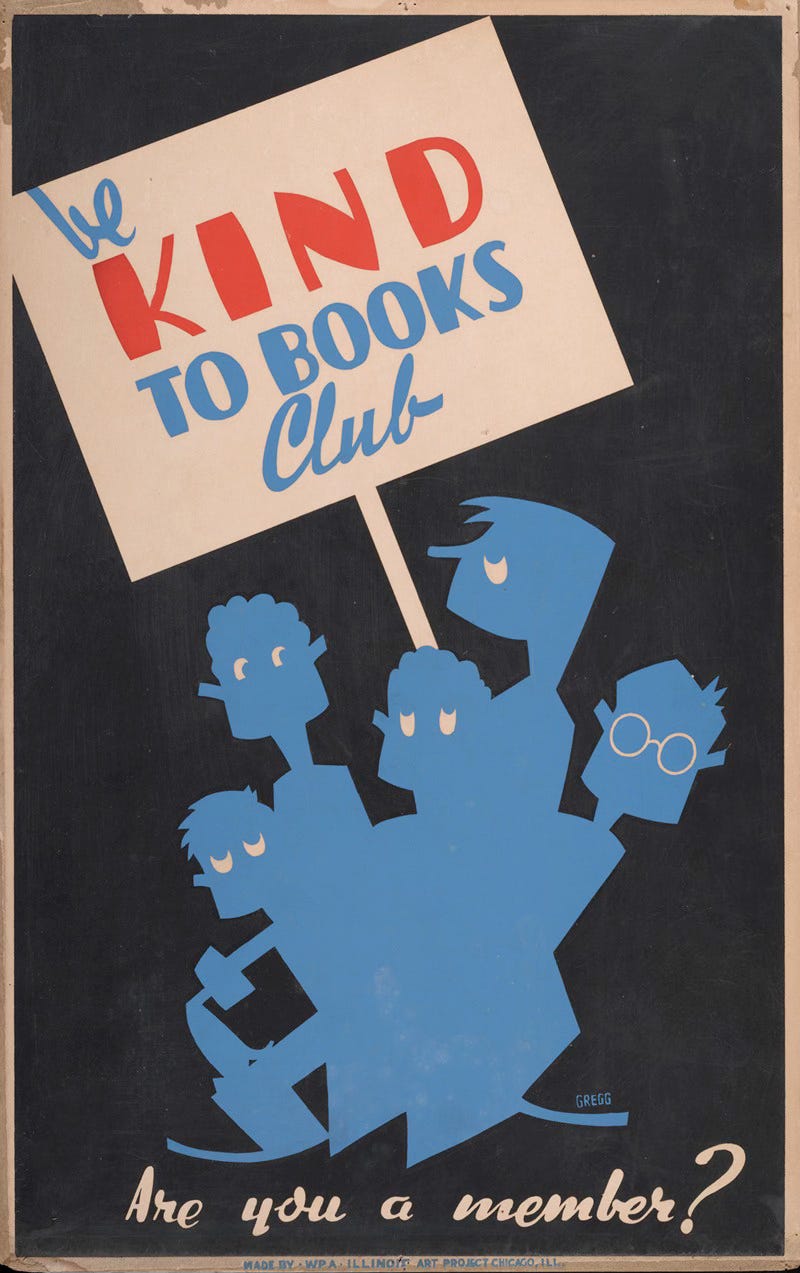
In case you need a refresher: 20th-century Modernism in illustration involved a disassociation from the more traditional, representational styles of the day. New techniques and aesthetics were explored. Abstraction, with a focus on personal expression, was embraced. Fauvism, Cubism, and Surrealism—which permeated the fine art and commercial art worlds—were key movements that grew from Modernism.
The Great Depression struck at the height of the Modernist movement. In an effort to provide relief to a growing population of unemployed Americans, President Franklin Delano Roosevelt created The Works Progress Administration (WPA). More than 8.5 million people were employed by the WPA. Many of whom worked on infrastructure, parks, and other public goods.
It has been proven time and again that government support for the arts is never “wasteful and unnecessary”—unlike what some current American politicians (including a certain tariff-loving President) have said.
